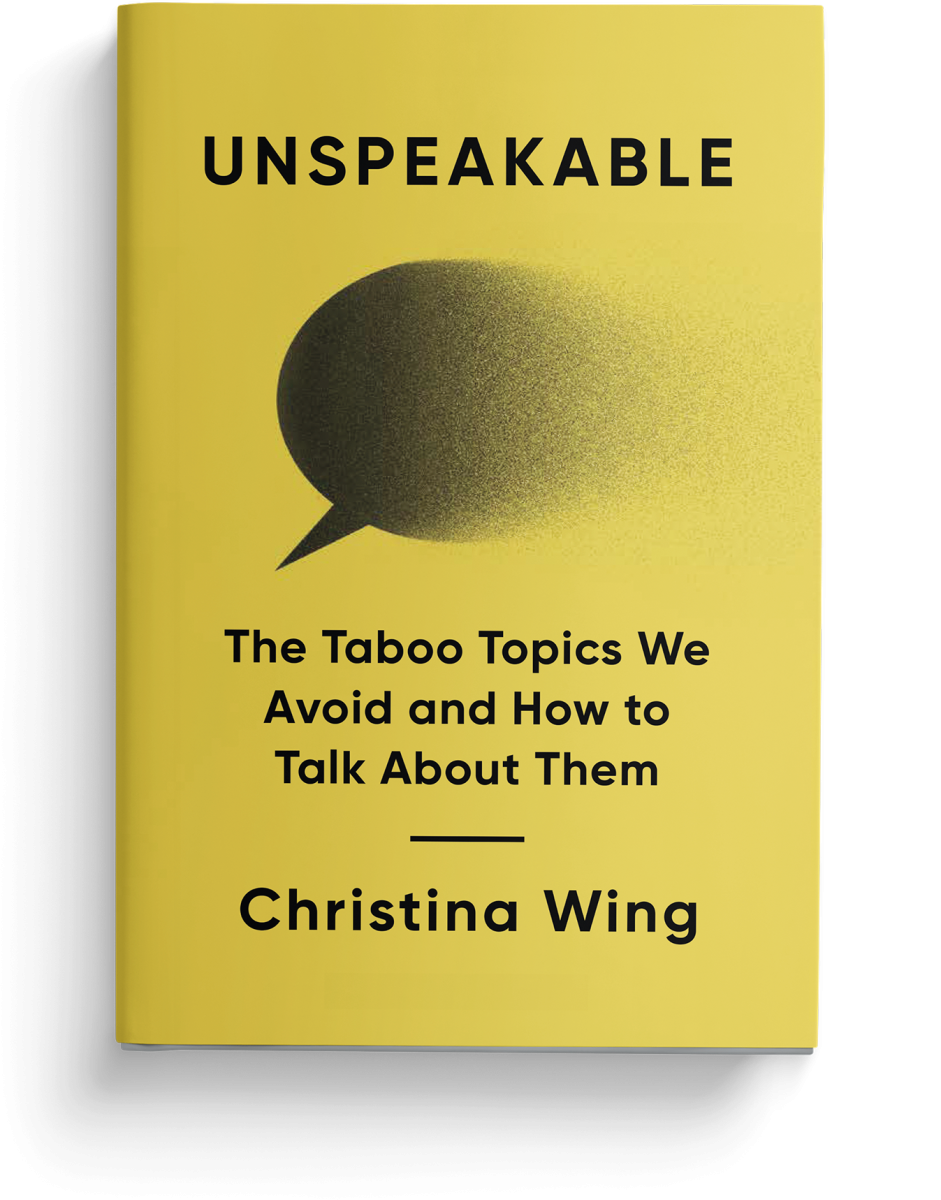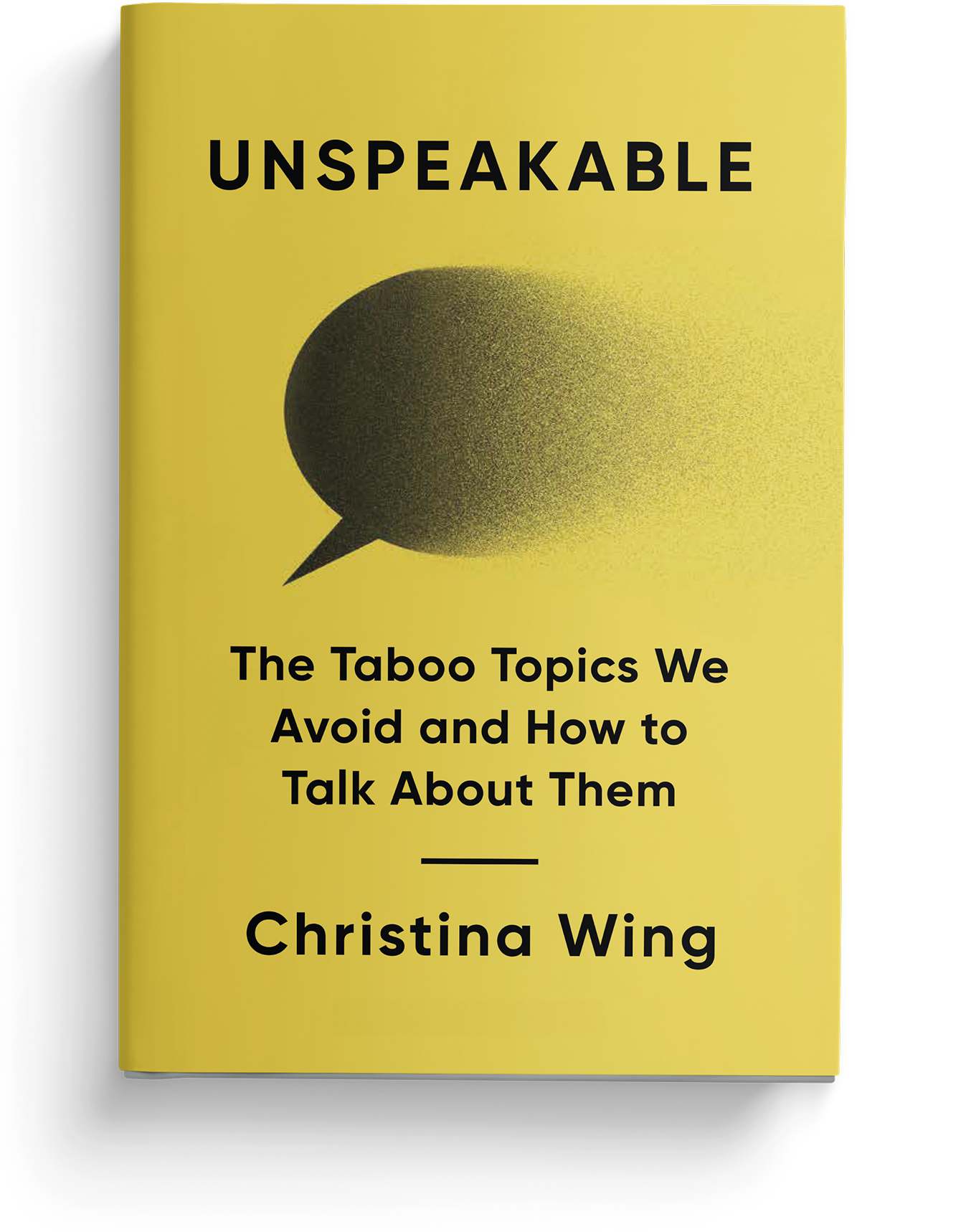
Christina Wing pairs vivid stories with clear scripts to show us how to talk about money, power, succession, layoffs, politics, and more in ways that build trust rather than secrecy or fear.
Why We Avoid the Conversation
Most people do not avoid important conversations because they do not care.
Often, they avoid them because they care deeply.
They do not ask about a will because they do not want to sound greedy.
They do not raise succession because they do not want to seem disloyal.
They do not name a performance issue because they do not want to embarrass someone.
They do not talk about money because they do not want love to feel transactional.
They do not admit a mistake because they fear it will change how people see them.
So They Wait
So they wait.
They soften the question.
They mention it indirectly.
They talk privately, but not in the room.
They make assumptions.
They hope the right moment will appear.
But the right moment does not always arrive.
What Silence Does
And when a taboo subject stays unspoken, it doesn’t disappear. It metastasizes, distorts decisions, corrodes trust, and shapes outcomes.
This is the territory Christina Wing explores in Unspeakable: The Taboo Topics We Avoid and How to Talk About Them.
The book begins from a simple but powerful observation: some topics are not only difficult. They feel off-limits. They carry too much history, status, fear, grief, identity, love, power, or risk to raise casually. So people work around them, often with the best of intentions.
The Cost of Guessing
The Father
A father avoids talking with his children about money, succession, mortality, and his wishes because those topics feel too uncomfortable to name. Years later, after his funeral, his children receive estate documents they do not understand. What remains is not clarity, but confusion, competing assumptions, and decisions each child has to make without the conversation that should have come before.
The Manager
A manager wants to be considerate of a high-performing woman who has recently returned from parental leave. Rather than ask what she wants, the manager assumes the timing is wrong and passes her over for a senior role. A decision that looked kind from the outside is shaped by guessing instead of conversation.
The Leader
A leader makes a mistake, but delays the apology because admitting fault feels too costly. The silence that follows becomes part of the harm. Trust is not only damaged by what happened; it is damaged by what was not named, owned, or repaired.
Making the Real Topic Discussable
These are the moments at the heart of Unspeakable.
Not dramatic confrontations.
Not perfect speeches.
Not reckless honesty that says everything without considering the cost.
The book is about learning how to make the real topic discussable — with enough care, preparation, and practical judgment for the conversation to begin.
Questions That Open the Door
What is the real topic underneath the formal one?
Why does this subject feel taboo to raise?
What am I assuming because no one has asked?
What might this conversation touch for the other person?
What setting would make the conversation more possible?
What first sentence could open the door without turning the topic into an accusation?
The Subjects We Struggle to Name
Drawing on Christina’s work in business, teaching, family enterprise, advisory rooms, and her own life, Unspeakable explores the sensitive subjects people know matter, but do not always feel allowed to raise directly.
Money. Death. Age. Succession. Mistakes. Fear. Performance. Inheritance. Religion. Politics. Family conflict.
Before Silence Shapes the Outcome
Left unspoken, these topics do not disappear.
They shape decisions.
They strain relationships.
They corrode trust.
They leave people guessing about what was meant, what was intended, and what should happen next.
That is why Unspeakable is not simply a book about difficult conversations.
It is a practical, case-led guide to broaching taboo and sensitive subjects with care, clarity, judgment, and grace.
Through vivid stories, scripts, reflection questions, conversation starters, and practical tools, Christina helps readers build the skill of beginning the conversations they have been avoiding — before silence shapes the outcome for them.